War Drone: 3D Shooting Games
- 4.7
- Rating
- 10.00M
- Installs
- Free
- Price
 Analysis by App-foxy
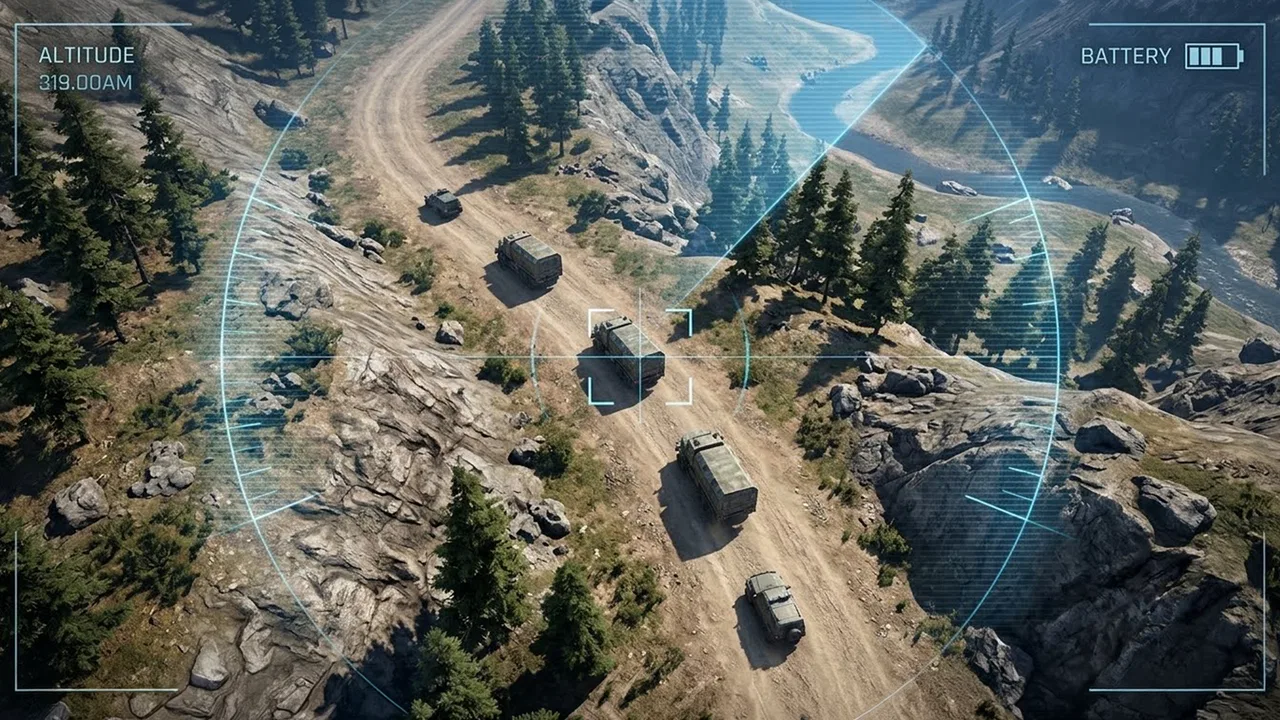
I picked up War Drone: 3D Shooting Games expecting a quick action game built around aerial firepower, and that is exactly where it makes its strongest impression. The central idea is easy to understand: send a drone into dangerous combat situations, support troops from above, and bring in the heavier impact of an AC-130 gunship when the mission demands it. I found the appeal immediate because the game does not ask me to learn a complicated military simulation before I can enjoy the action.
That simplicity also makes it interesting as a shared-device game. Someone in the household can play a short session without needing a long explanation, while another person can take over later and understand the basic objective quickly. Still, I would not treat it as a completely casual toy. The war setting, shooting mechanics, and repeated combat pressure give it a more intense tone than the “Everyone 10+” label might suggest to some families. My overall view is positive, but the right expectations matter.
How War Drone fits into a shared household
The most natural home use case is a phone or tablet that moves between family members. One player might use it during a short break, then hand the device to a sibling or parent without disrupting a complicated story campaign. Because the focus is on missions and direct action, it is easier to pick up than a large role-playing game with extensive dialogue, inventory management, or a deep character-building system.
You May Also Like

 Blood Strike: 2.5 Anniversary
Blood Strike’s Loadouts Turn Every Drop Into a Tactical Gamble
A close look at Blood Strike’s custom loadouts: how fast access to signature weapons reshapes its battle royale rhythm, rewards preparation, and narrows the gap between fights.

 Pandora - Music & Podcasts
Pandora’s Music Is Easy to Start, but Harder to Recover
Pandora’s strength is its low-effort path from a seed to a station. Its weak spot is how much confidence it asks you to place in connection, setup, and quiet recovery.

 8 Ball Pool
 Is Built on Rivalries, Rematches, and Routine
A close look at the rivalries, rematches, shared routines, and unanswered safety questions that turn a quick pool match into a persistent mobile community.

 Samsung Music
’s Quiet Strength Is Playing What You Already Own
Its reach comes less from spectacle than from dependable access to a personal library. That simplicity is both the app’s strongest retention engine and its ceiling.

 AccuWeather: Weather Radar
AccuWeather Review: A Quick, Clear Forecast for Everyday Decisions
For everyday plans, the best forecast is the one you can understand quickly. AccuWeather makes rain timing, radar, and local conditions easy to act on, with a few trade-offs.

 Hill Climb Racing
Why Hill Climb Racing Still Turns Crashes Into One More Run
A tiny car, a bumpy hill and one more upgrade: Hill Climb Racing keeps resurfacing because its simple chaos makes every near-miss feel personal.
More From Our News Desk



I can imagine a teenager playing while waiting for an appointment, then showing the drone and gunship mechanics to a younger family member who is curious about action games. That kind of handoff works well because the premise is visible immediately: look for the combat situation, control the available aerial support, and help the troops survive. The game’s strongest shared-device quality is therefore accessibility rather than social play. I would not confuse passing the phone around with built-in cooperative multiplayer.
There is also a practical benefit to keeping expectations modest. This is a free action game from Mobile Gaming Studios Ltd., so it is easy to try without making a purchase first. The store page shows an average rating of 4.8 from about 475 thousand ratings, and the game has passed 10 million installs. Those figures suggest that the basic formula has found a large audience, but popularity does not remove the need to decide whether its combat style suits everyone using the device.
For a household, I would establish a simple rotation before handing it over: one person plays a mission, pauses or exits cleanly, and then the next person starts. That sounds obvious, but action games can encourage “just one more attempt,” especially when a mission feels close to completion. If the device is also used for schoolwork, calls, or navigation, the game is better treated as a turn-based entertainment option rather than something that stays open all day.
What the first session feels like
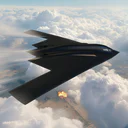
My first impression was that the game’s hook comes from switching between the idea of a nimble drone and the overwhelming presence of an AC-130 gunship. That contrast gives the action a useful sense of scale. The drone suggests precision and observation, while the gunship represents a much heavier response. Even without turning the experience into a technical simulator, that pairing makes each mission feel more purposeful than a standard shooting gallery.
The controls and objectives are approachable enough for a newcomer to understand the basic rhythm quickly. That is important on a shared device, because not every player will want a tutorial-heavy introduction. I would still give a new player a quiet first attempt rather than explaining every move over their shoulder. The game is more enjoyable when the person holding the device can discover how the aerial tools respond and decide which approach feels comfortable.
The trade-off is that approachable action can become repetitive for players who want a wide range of systems. If your favorite mobile games are tactical sandboxes, detailed flight simulators, or competitive shooters that demand precise mastery, this may feel streamlined. I see it more as an accessible war-themed action game than as a serious simulation. That distinction is useful when deciding whether it belongs on a family tablet or a personal gaming phone.
Keeping progress and purchases separate
Shared devices need a little more care when a game includes optional spending. War Drone is free to download, but its in-app purchases range from $0.99 to $99.99 per item. That is the most important household boundary to discuss before anyone starts playing. A child may understand that the game costs nothing to install while not fully understanding that optional items can still charge the account connected to the device.
I would not rely on the player’s good intentions alone. The person who owns the device should check the purchase settings already available through the operating system and decide whether a password or approval step is appropriate. I am not attributing a particular family-control feature to the game; the sensible protection is to manage the device’s purchase access before sharing it. This is especially important when several people use the same store account.
The cleanest arrangement is to separate “playing” from “buying.” A child, guest, or younger sibling can enjoy the free portion, while any decision about an optional item belongs to the account owner. If the game displays an offer during a session, the player should know to stop and ask rather than tapping through automatically. That small rule prevents an enjoyable shared activity from turning into an avoidable argument about a charge.
Account boundaries matter for progress as well. I would avoid assuming that one person’s advancement can be cleanly divided from another person’s play unless the game itself clearly provides that option. On a shared phone, the safest habit is to let one regular player use the game, or to agree that everyone is simply contributing to the same local experience. If individual progress is important, each person is better served by playing on a separate device and account arrangement where available.
Coordinating turns without inventing a team mode
The war setting naturally invites talk about teamwork, but the practical coordination I found most useful is between people in the room, not necessarily between online teammates. One person can watch the screen and suggest a target while the player handles the controls, or an experienced player can demonstrate the difference between using the drone and calling on the gunship. This makes the game a good conversation starter even when only one person is actively playing.
That arrangement works best when the helper gives short suggestions instead of trying to control every decision. A useful routine is to let the player finish a mission, then discuss what felt difficult: spotting threats, choosing when to use the heavier support, or managing attention during a crowded moment. The advice becomes more valuable when it is based on what actually happened rather than on a back-seat commander calling out every tap.
For siblings, I would set a clear rule about turns before the first mission begins. A timed turn can work, but a mission-based turn is often more satisfying because it gives the player a natural stopping point. If a mission runs longer than expected, the household can agree that the current player finishes the attempt and the next person goes afterward. This avoids the frustration of taking the device away during the most intense part of the action.
I also recommend keeping the volume at a level that suits the room. Aerial combat games can be exciting, but loud effects may disturb someone studying, sleeping, or working nearby. Headphones solve that problem for one player, although they reduce the shared viewing experience. In my experience, the game is most enjoyable as a quick demonstration or turn-taking activity, not as background entertainment that everyone is expected to follow.
Age, trust, and the tone of the combat
The listed age guidance is Everyone 10+, which gives families a useful starting point, but age labels are not a substitute for knowing the player. The game’s subject is armed conflict, and the core activity involves attacking targets and protecting troops. A child who is comfortable with stylized action may find that acceptable, while another child of the same age may dislike the war imagery or the pressure of shooting missions.
I would watch the first session rather than making a decision from the title alone. Pay attention to whether the player understands the difference between fictional game action and real-world conflict, and whether the intensity remains enjoyable. The game can be a reasonable choice for an older child who likes straightforward action, but it is not the title I would choose for a child who prefers peaceful building, exploration, puzzles, or nonviolent competition.
Trust also includes spending behavior. A responsible player should know that the free download does not mean every item inside the game is free. I would explain this in plain language before sharing the device: play is allowed, purchases require permission, and the account owner makes the final decision. That conversation is more useful than simply saying “don’t buy anything,” because it tells the player what to do when an offer appears.
For adults, the age label may feel conservative if they are accustomed to military action games, but the game’s accessible presentation can make it suitable for occasional family viewing. I would still avoid presenting it to very young children as harmless cartoon entertainment. The drone and gunship theme is the defining feature, not a minor decoration, so the household’s comfort with that theme should guide the decision.
Practical play habits that improve the experience
One useful habit is to treat the drone as more than a button for immediate action. Before rushing into a difficult moment, I found it helpful to use the aerial viewpoint to understand where attention should go. The game’s appeal comes from managing the perspective above the battlefield, so a player who constantly reacts without looking ahead may miss the reason the drone is there in the first place.
A second tip is to avoid spending simply because a mission becomes frustrating. The in-app purchase range makes impulse decisions especially worth resisting. If a player feels stuck, I would first change the approach, take a break, or let a more experienced household member try the same section. Paying for an item may be convenient for some adults, but it should not become the automatic solution to a temporary difficulty.
A third insight concerns demonstrations. When introducing the game to someone else, show the drone first and explain the gunship afterward. Starting with the strongest weapon can make the rest of the experience seem flat, while beginning with the lighter aerial role gives the player a better sense of how the two elements differ. This also makes it easier to see whether the player enjoys the game’s viewpoint and mission pressure before discussing optional content.
Finally, I would play it with a stable grip and enough screen space to see the action clearly. That is not a special accessory requirement; it is simply a comfort issue. Fast aerial scenes are harder to follow when the device is being held awkwardly or when notifications interrupt the display. A short, focused session in a quiet place gives a much fairer impression than a rushed attempt while the phone is being passed between several people.
Where it beats familiar alternatives
Compared with a traditional flight simulator, this game is easier to approach because it focuses on combat purpose rather than realistic aircraft operation. I would choose it for someone who wants the fantasy of aerial support without studying detailed controls. Compared with a conventional ground-based shooter, it offers a different viewpoint and a stronger sense of directing events from above. That makes it stand out on a shared device where a visually clear premise matters.
Its weakness becomes clearer next to strategy games. A strategy fan may want resource planning, map control, diplomacy, or long-term decisions, while this experience is more immediate. It also may not satisfy someone searching for a deep competitive community or a story-led campaign with developed characters. The choice depends on whether the player values quick aerial action or wants a larger system around the battles.
Against casual puzzle games, the comparison is even less favorable for younger or easily distracted players. Puzzles can be quiet and mentally demanding without combat imagery, whereas this game asks the player to engage with a war scenario. On the other hand, if the household already enjoys action games and wants something that can be understood in a few minutes, the drone-and-gunship structure is more distinctive than another basic arcade shooter.
Device expectations and version details
The game supports Android devices running version 6.0 or later, and the current version is listed as 500225. That makes it accessible to many older Android phones and tablets, although compatibility on paper does not guarantee the same comfort on every screen. A smaller display may make aerial action feel crowded, while a larger tablet can make shared viewing easier. I would judge the experience by control comfort and visibility rather than by operating-system support alone.
Because the game is free to start, trying it on the intended household device is the sensible approach. Check whether the person who will play can see targets comfortably, whether the device remains responsive during action, and whether notifications interfere with the session. I would also make sure the player understands which account is active before beginning, particularly if the device is used by several people.
The release date is Apr 7, 2025, and the developer is Mobile Gaming Studios Ltd. Those details place it among relatively recent mobile action offerings, but I would still evaluate it by the actual feel of the current build rather than by its release timing. What matters in daily use is whether the missions remain enjoyable, whether the controls feel understandable, and whether the purchase boundaries are clear in the household.
Who should play, and who should skip it
I recommend giving it a try if you enjoy military-themed action, want a game that can be understood quickly, or like the idea of directing support from an aerial perspective. It is also a good candidate for a shared-device demonstration because the premise is easy to explain and the action is immediately visible. An older child or teenager who likes shooting games but does not want a complicated simulation may find the balance appealing.
I would skip it if you are looking for a peaceful family game, a detailed aviation simulator, or a rich strategy experience. I would also be cautious if the device owner does not want to manage in-app purchase access. The free entry point is convenient, but the presence of optional items means that shared use requires a little responsibility. That is not a reason to reject the game outright; it is a reason to decide who can play and who can approve spending.
Players who dislike repeated mission structures may also lose interest sooner than action fans. The central appeal is the aerial combat loop, and that focus is both the game’s identity and its limitation. I enjoyed the directness, but I would not promise endless variety to someone who needs constant changes in genre, setting, or progression style.
My household verdict
After spending time with it, I see War Drone as a focused mobile action game that works particularly well when one person wants a short, understandable combat session. The drone and AC-130 pairing gives it a recognizable identity, while the free price makes experimentation easy. Its strong public reception, including a 4.8 average and over 10 million installs, supports the impression that the formula connects with many players, though my recommendation still depends on the household’s age expectations and tolerance for war-themed shooting.
For shared use, I would install it only after agreeing on turns, account access, and purchase permission. I would introduce it to players in the Everyone 10+ age range who already enjoy this kind of fictional action, and I would watch the first session to see whether the tone feels right. The best experience comes from treating it as a focused game rather than an all-purpose family activity.
My bottom line is simple: choose it for accessible aerial action, not for simulation depth or quiet family play. If that distinction matches what you want, the game is easy to recommend as a free starting point. If your household needs individual progress boundaries, peaceful content, or a more strategic alternative, another category will be a better fit. For the right player, however, this is a straightforward and engaging way to turn a shared Android device into a short battlefield command post.
FAQs for War Drone: 3D Shooting Games
01What are the main features of War Drone: 3D Shooting Games?
War Drone: 3D Shooting Games offers an immersive experience with realistic 3D graphics and dynamic gameplay. Players can control advanced drones equipped with customizable weapons and engage in thrilling combat missions. The game includes multiple environments and a variety of challenges that test strategic and tactical skills. Multiplayer modes allow for competitive play with friends or global players.
02Is War Drone: 3D Shooting Games free to play?
Yes, War Drone: 3D Shooting Games is free to download and play. However, it includes in-app purchases that allow players to enhance their gaming experience, such as unlocking special drones, weapons, and other premium content. While these purchases can offer advantages, they are optional, and players can still enjoy the game without them.
03What are the device requirements for War Drone: 3D Shooting Games?
To run War Drone: 3D Shooting Games smoothly, your device should meet certain specifications. For Android users, a device with at least 2GB of RAM and Android version 5.0 or higher is recommended. iOS users should have iOS 10.0 or later. Devices with better graphics capabilities will enhance the visual experience.
04Does War Drone: 3D Shooting Games have a multiplayer mode?
Yes, the game features a robust multiplayer mode where players can compete against others globally or team up with friends for cooperative missions. This mode adds an exciting layer of competition and strategy, as players must coordinate and communicate effectively to achieve objectives and earn rewards within the game.
05How does the customization system work in War Drone: 3D Shooting Games?
The customization system in War Drone: 3D Shooting Games allows players to personalize their drones with a wide array of weapons and equipment. Players can unlock and upgrade parts, tailoring their drones to suit different combat strategies and preferences. This feature encourages creativity and strategic planning, enhancing replayability and player engagement.
Pros
- Stunning graphics with realistic environments.
- Smooth controls enhance gameplay experience.
- Varied missions keep things exciting.
- Multiplayer mode for competitive play.
- Regular updates with new features.
Cons
- In-app purchases can be costly.
- Requires a stable internet connection.
- Ads can be intrusive during gameplay.
- High battery consumption on mobile devices.
- Limited offline play options.

War Drone: 3D Shooting Games
Gallery